 Công ty TNHH Thép Không Gỉ Foshan Xinliheng, Ltd.(佛山市鑫利恒不锈钢有限公司)

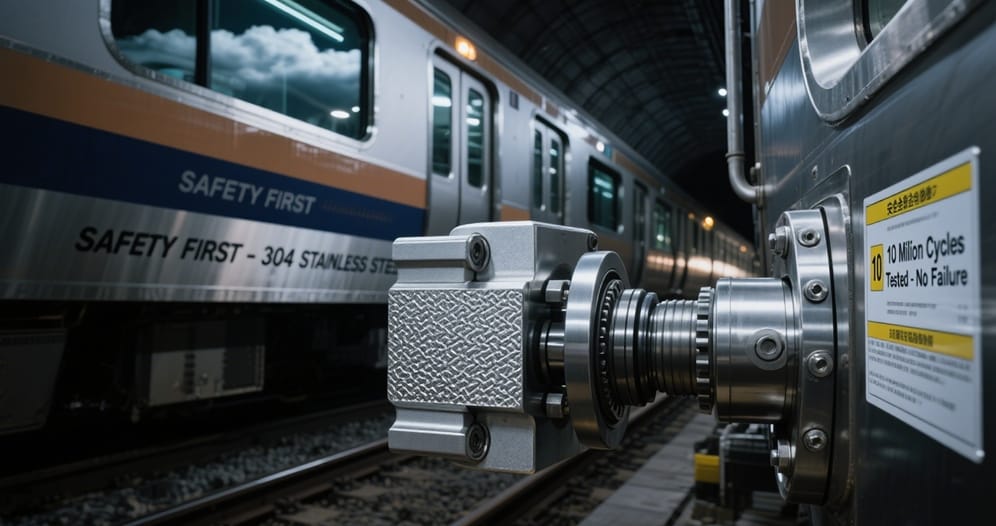
In a Japanese Shinkansen workshop, technicians conduct final inspections on the train body frames. These frames utilize a lightweight design made of 304 thép không gỉ, reducing each carriage’s weight by 800 kg compared to conventional steel while offering a 40% improvement in fatigue resistance. This means reduced energy consumption at high speeds and a longer service life for the trains.
The Shinkansen operates in a complex and volatile environment. Winter temperatures in Hokkaido drop as low as -15°C, while summer temperatures in Kyushu soar to 40°C. This dramatic temperature difference puts a strain on every inch of the material. The thermal expansion coefficient of 304 stainless steel is a stable 17.3×10⁻⁶/°C, ensuring that the track joints will not loosen over a decade of service. While the train travels through tunnels at 320 km/h, intense air currents constantly impact the train body, yet the stainless steel’s wear-resistant surface layer makes wind erosion damage virtually negligible. The safety director of a railway company once said, “In rail transit, every detail can impact the lives of tens of millions of passengers. 304 thép không gỉ, with its stability and durability, provides us with a solid safety barrier.” Here, it’s no longer just an ordinary material; it’s a silent promise to ensure safe travel for tens of millions of passengers.