 Foshan Xinliheng Stainless Steel Co., Ltd.(佛山市鑫利恒不锈钢有限公司)

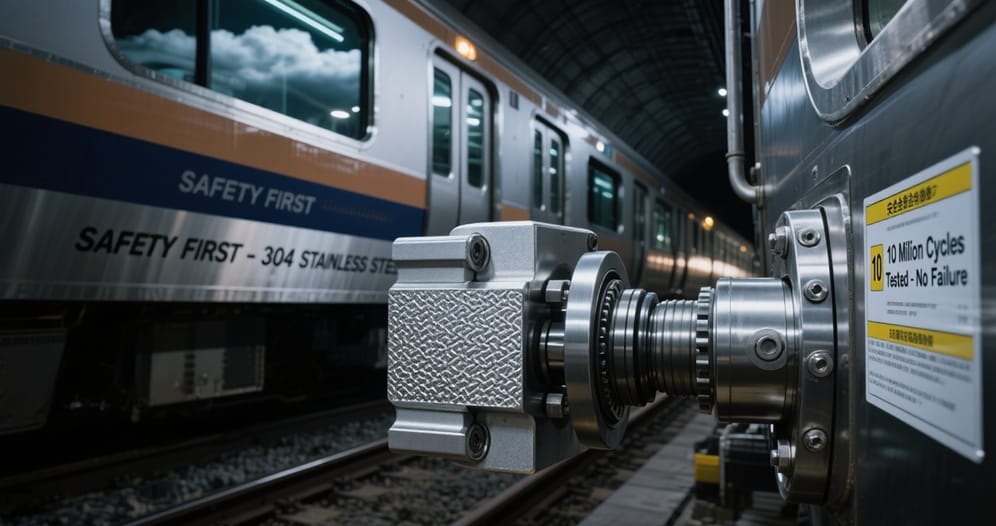
In a Japanese Shinkansen workshop, technicians conduct final inspections on the train body frames. These frames utilize a lightweight design made of 304 สแตนเลส, reducing each carriage’s weight by 800 kg compared to conventional steel while offering a 40% improvement in fatigue resistance. This means reduced energy consumption at high speeds and a longer service life for the trains.
The Shinkansen operates in a complex and volatile environment. Winter temperatures in Hokkaido drop as low as -15°C, while summer temperatures in Kyushu soar to 40°C. This dramatic temperature difference puts a strain on every inch of the material. The thermal expansion coefficient of 304 stainless steel is a stable 17.3×10⁻⁶/°C, ensuring that the track joints will not loosen over a decade of service. ในขณะที่รถไฟวิ่งผ่านอุโมงค์ด้วยความเร็ว 320 กม./ชม., กระแสลมแรงกระทบตัวขบวนรถไฟอย่างต่อเนื่อง, แต่ชั้นผิวที่ทนต่อการสึกหรอของสแตนเลสทําให้ความเสียหายจากการกัดเซาะจากลมแทบไม่มีนัยสําคัญ. ผู้อํานวยการฝ่ายความปลอดภัยของบริษัทรถไฟเคยกล่าวไว้, “ในระบบขนส่งทางรถไฟ, ทุกรายละเอียดสามารถส่งผลกระทบต่อชีวิตของผู้โดยสารหลายสิบล้านคน. 304 สแตนเลส, ด้วยความมั่นคงและความทนทาน, ทําให้เรามีเกราะป้องกันที่มั่นคง.” ที่นี่, มันไม่ใช่แค่วัสดุธรรมดาอีกต่อไป; แต่เป็นคํามั่นเงียบที่จะรับประกันการเดินทางที่ปลอดภัยสําหรับผู้โดยสารหลายสิบล้านคน.