 Foshan Xinliheng Stainless Steel Co., Ltd.(佛山市鑫利恒不锈钢有限公司)

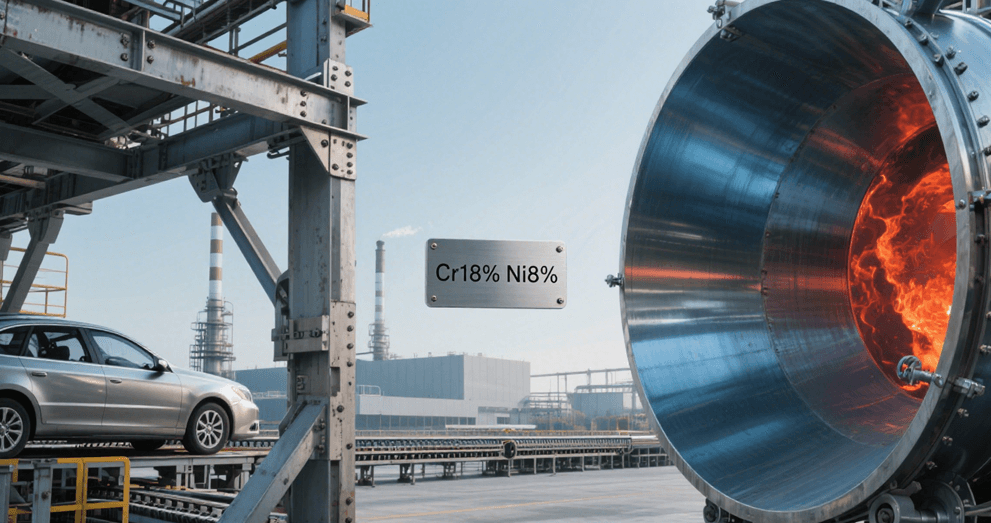
In the workshops of a heavy machinery plant in Germany’s Ruhr region, sparks flew like dancing flames. As 2000°C molten steel suddenly crashed onto the surface of 304 stainless steel plates, the onlookers held their breath. Remarkably, not only did the plates not deform at all, but after cooling, a vernier caliper showed a thickness change of no more than 0.02 มม.. This alloy steel, containing 18% chromium and 8% นิกเกิล, possesses a molecular structure that seems to form an impenetrable barrier, remaining stable day after day in the high-temperature, high-pressure environment.
From the load-bearing supports of automobile production lines to the inner walls of chemical reactors, 304 stainless steel plates are ubiquitous. ผู้จัดการเวิร์กช็อปที่ผู้ผลิตรถยนต์เคยคำนวณว่าการเปลี่ยนมาใช้เหล็กกล้านี้ช่วยลดรอบการบำรุงรักษาอุปกรณ์จากสามเดือนเหลือแปดเดือน, ลดต้นทุนการบำรุงรักษาได้ 60%. สิ่งที่น่าทึ่งยิ่งกว่าคือความต้านทานการกัดกร่อน. แม้หลังจากใช้งานในเวิร์กช็อปที่มีความชื้นสูงถึงห้าปี 90%, ผิวของแผ่นยังคงเรียบเนียน. ใช้เลเซอร์วัดความหนา, การสึกหรอของ 0.01 มม. ทำให้เครื่องหมายอัศเจรีย์บนรายงานการทดสอบเด่นขึ้น. สำหรับอุตสาหกรรมที่ต้องการความแม่นยำและความทนทาน, 304 เหล็กกล้าไร้สนิมไม่ใช่วัสดุโลหะธรรมดาอีกต่อไป; มันคือสัญญาที่ไม่มีวันล้าสมัยของอารยธรรมอุตสาหกรรม.