 Foshan Xinliheng Stainless Steel Co., Ltd.(佛山市鑫利恒不锈钢有限公司)

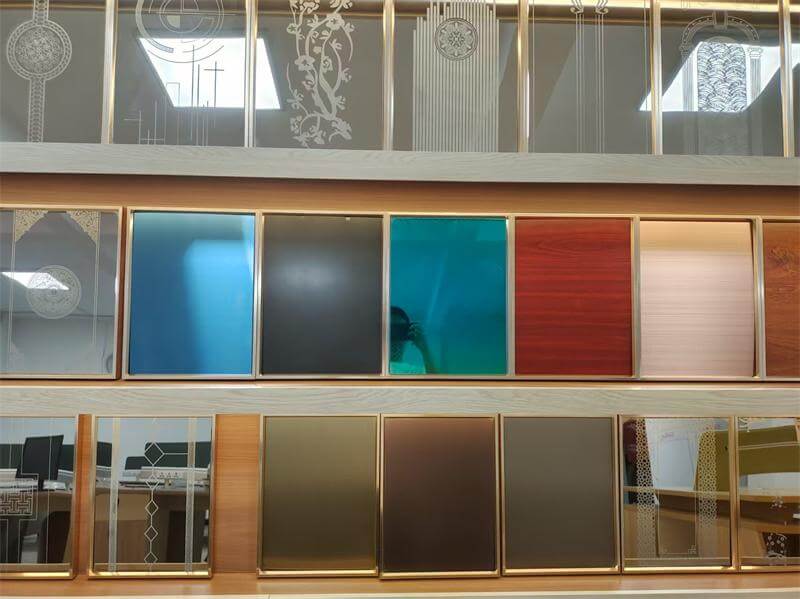
กระบวนการผลิตแผ่นสแตนเลสสีเป็นการผสมผสานที่ซับซ้อนระหว่างการทำงานด้านโลหะอย่างแม่นยำและเทคโนโลยีการเคลือบผิวขั้นสูง. เป้าหมายหลักคือการสร้างสีที่ทนทาน, สวยงามตามความต้องการ, และหลากหลายบนพื้นสแตนเลสพร้อมกับรักษาคุณสมบัติทางกายภาพและเคมีที่ยอดเยี่ยม, เช่น ความแข็งแรงและความต้านทานการกัดกร่อน. Foshan Xinliheng Stainless Steel Co., บริษัท จำกัด, ในฐานะผู้เชี่ยวชาญด้านการประมวลผลสแตนเลส, โดยส่วนใหญ่ใช้ การสะสมไอทางกายภาพ (PVD), วิธีที่เป็นที่นิยมและมีเทคโนโลยีที่ครบถ้วนในอุตสาหกรรมปัจจุบัน.
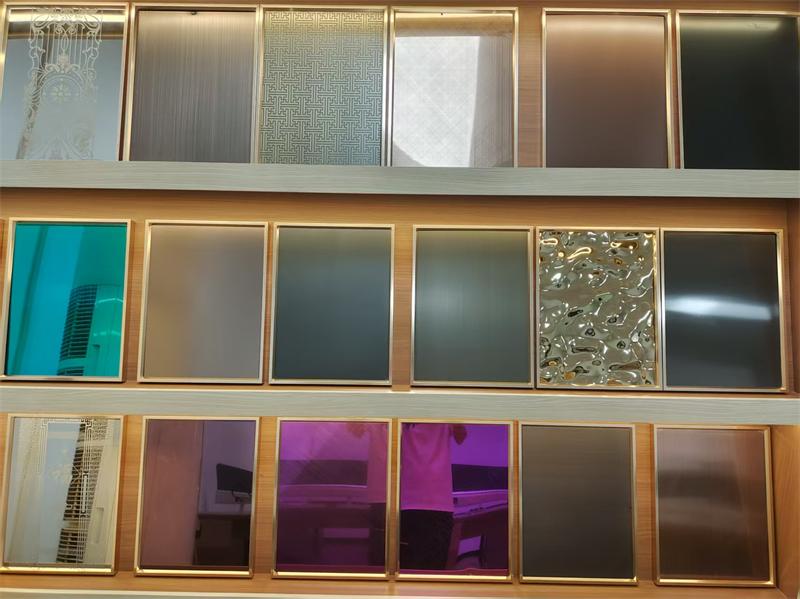
ด้านล่างเป็นกระบวนการผลิตแผ่นสแตนเลสสีทั่วไป, โดยเน้นเทคนิค PVD:
1. การเตรียมและการบำบัดสารตั้งต้น
ขั้นตอนนี้สำคัญสำหรับการรับประกันสีสุดท้ายที่สม่ำเสมอและการยึดเกาะเคลือบที่แข็งแรง.
- การเลือกวัตถุดิบ: High-quality stainless steel coils or sheets are selected as the base material. เกรดที่พบบ่อยได้แก่ 304 และ 316, chosen based on the final application.
- Slitting/Cutting: The stainless steel coil is leveled and cut into flat sheets of the required dimensions.
- Surface Pre-treatment:
- Degreasing and Cleaning: Chemical or ultrasonic cleaning is used to thoroughly remove oil, จาระบี, dust, and other contaminants from the sheet’s surface.
- Surface Polishing: The surface is processed to achieve the desired base texture, which determines the final visual effect.
- กระจกเงา (8K): Achieved through high-precision grinding and polishing, resulting in a mirror-like finish.
- เส้นผม (แปรง): Created by mechanical brushing, producing a uniform linear texture.
- Satin/No.4 (ด้าน): Formed by blasting abrasive particles, resulting in a uniform matte or fine sand finish.
- สลัก: Achieved through chemical or laser etching, การสร้างลวดลายหรือพื้นผิวเฉพาะบนพื้นผิว.
2. กระบวนการทำสีหลัก – การสะสมไอทางกายภาพ (PVD)
นี่คือขั้นตอนสำคัญที่เกิดการเคลือบสี, โดยทั่วไปดำเนินการในสภาพแวดล้อมสุญญากาศ.
- การเคลือบแบบสุญญากาศ: แผ่นสแตนเลสที่ผ่านการเตรียมจะถูกวางลงในห้องเคลือบสุญญากาศขนาดใหญ่, ซึ่งจากนั้นจะถูกรวบรวมให้เป็นสภาพสุญญากาศสูง.
- การระเหย/การสปัตเตอริง: ภายในสุญญากาศ, โลหะเป้าหมาย (เช่น ไทเทเนียม, เซอร์โคเนียม, โครเมียม, หรือทอง) หรือสารประกอบของมัน ถูกทำให้ร้อนโดยการยิงด้วยอาร์ค, ลำอิเล็กตรอน, หรือการสปัตเตอริงแบบแมกเนตรอน จนกระทั่งเกิดการระเหยหรือสปัตเตอร์.
- การไอออไนซ์และการตกตะกอน: อะตอมของโลหะที่ระเหยหรือสปัตเตอร์จะทำปฏิกิริยากับก๊าซรีแอกทีฟที่เติมเข้าไป (เช่น ไนโตรเจน N₂, ออกซิเจน O₂, หรือเอทิลีน C₂H₂) ในสุญญากาศ, สร้างไอออนของสารประกอบโลหะ (เช่น, ไทเทเนียมไนไตรด์ TiN, เซอร์โคเนียมออกไซด์ ZrO₂, ไทเทเนียมคาร์ไบด์ TiC). Under the influence of an electric field, these ions bombard and deposit uniformly onto the stainless steel surface, forming a dense, nanoscale-thin film with exceptional adhesion.
- Color Formation Principle: The color is determined by the thickness and composition of the deposited layer. This is not a pigment-based “inherent color,” but rather utilizes the principle of light interference. When light hits this thin film, part of the light reflects off the film’s surface, while another part passes through the film and reflects off the stainless steel substrate. These two reflected light waves interfere with each other. By precisely controlling the film’s thickness (typically tens to hundreds of nanometers), the wavelengths of light that are enhanced or diminished by interference can be regulated, ส่งผลให้มีสีที่ต่างกัน. ตัวอย่างเช่น:
- ไทเทเนียมไนไตรด์ (TiN) ฟิล์มที่มีความหนาต่างกันสามารถปรากฏเป็นสีทอง, แชมเปญ, กุหลาบทอง, หรือสีดํา.
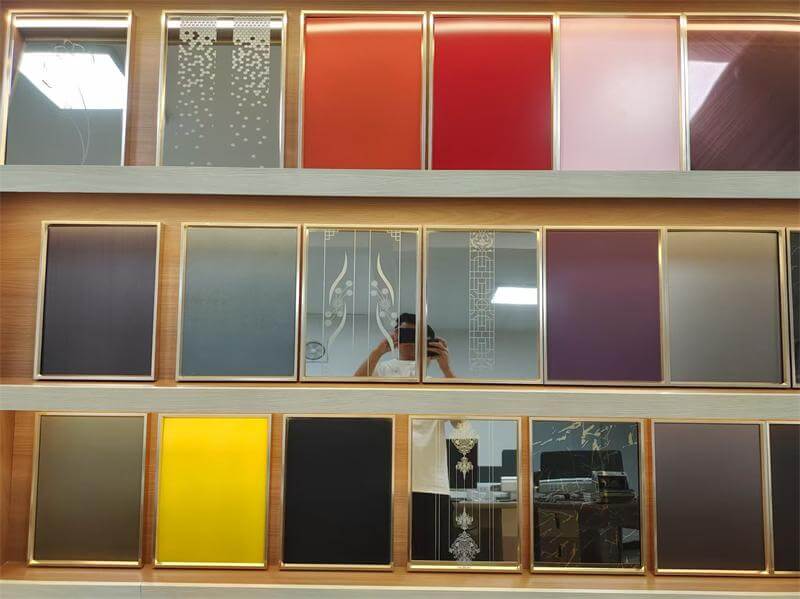
- การสะสมหลายชั้นหรือการปรับส่วนผสมของก๊าซสามารถผลิตสีได้หลากหลายขึ้น, เช่นสีน้ําเงิน, สีเขียว, สีม่วง, หรือเอฟเฟกต์สีรุ้ง.
3. หลังการประมวลผลและการควบคุมคุณภาพ
- คูลลิ่ง: หลังจากเคลือบ, แผ่นจะค่อยๆเย็นลงจนถึงอุณหภูมิห้องภายในห้องสูญญากาศ.
- การตรวจสอบ: การตรวจสอบคุณภาพอย่างเข้มงวดจะดําเนินการกับผลิตภัณฑ์สําเร็จรูป, รวมถึง:
- การตรวจสอบด้วยสายตา: การตรวจสอบความสม่ําเสมอของสี, ความแตกต่างของสี, รอยขีดข่วน, จุด, หรือข้อบกพร่องอื่น ๆ .
- การทดสอบประสิทธิภาพ: การทดสอบการยึดเกาะของสารเคลือบ (เช่น, การทดสอบการตัดขวาง), ความต้านทานการขัดถู, ความต้านทานการกัดกร่อน (เช่น, ทดสอบสเปรย์เกลือ), และสภาพอากาศ.
- การประยุกต์ใช้ฟิล์มป้องกัน: เพื่อป้องกันพื้นผิวสีที่บอบบางระหว่างการขนส่งและการผลิต, ฟิล์มป้องกัน (ฟิล์ม PE) มักจะใช้กับ พื้นผิวของแผ่น.
- Packaging and Storage: The sheets are packaged according to customer requirements and then stored or shipped.
Other Coloring Methods (Supplementary Information)
While PVD is the dominant high-end process, other coloring methods exist in the market, though they are generally less common and may not match PVD in performance:
- Chemical Coloring: Immersing stainless steel in specific chemical solutions to generate oxide films of varying thicknesses through chemical reactions, which produce color. This method is lower in cost but offers limited color options and inferior durability and abrasion resistance.
- Electroplating: Depositing a layer of another metal (such as copper, นิกเกิล, or chromium) onto the stainless steel surface via electroplating to change its color. The process is well-established but faces environmental pressures, and the coating’s adhesion and corrosion resistance may be inferior to PVD.
- Spraying: Applying colored paint or powder coating to the surface. This is low-cost with a wide range of color choices, but the coating’s durability, ความต้านทานการขัดถู, and texture are significantly inferior to PVD, and there are risks of peeling and environmental concerns.
สรุป: Modern high-quality colored stainless steel sheets, especially those used in architectural decoration and high-end furniture, rely on the PVD vacuum coating process as their core manufacturing technique. This complex process demands high-precision equipment, controlled environments, and stringent process control. อย่างไรก็ตาม, it produces high-end decorative materials with vibrant, ทนทาน, wear-resistant, and environmentally friendly finishes. Professional companies like Xinliheng achieve market recognition for brands like “Haoliang” ด้วยความเชี่ยวชาญในกระบวนการเหล่านี้และการควบคุมคุณภาพอย่างเข้มงวด.