 Foshan Xinliheng Oțel inoxidabil Co., Ltd.(佛山市鑫利恒不锈钢有限公司)

Users often ask which type of stainless steel is best? Actually, there’s no definitive answer to this question. The key to determining which stainless steel is best depends on the intended application. Some stainless steels are corrosion-resistant, while others are heat-resistant. The performance depends on the intended use. In this article, we’ll analyze 304 şi 430 oţel inoxidabil.
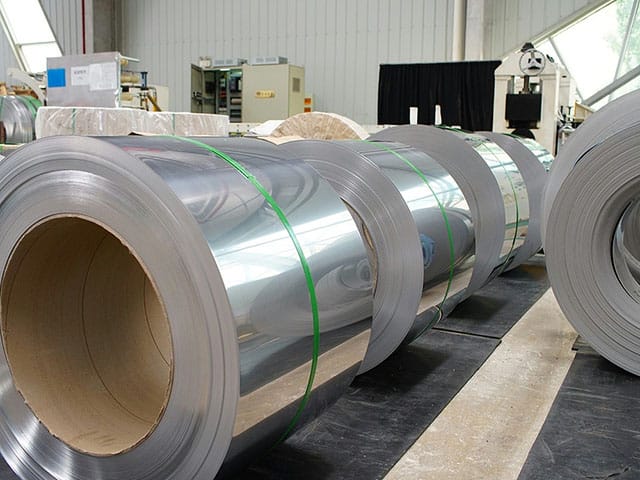
304 oţel inoxidabil, known in the stainless steel industry as “oţel inoxidabil,” offers excellent corrosion resistance and superior thermal conductivity compared to austenitic stainless steel. It’s currently primarily used in applications such as architectural decoration, some home appliance components, and fuel burner parts, both at room and high temperatures.
Totuși, because 430 stainless steel contains much less chromium than 304, its hardness isn’t as good. Totuși, 430 stainless steel isn’t food-grade stainless steel at all. Mai mult, stainless steel is often made by reprocessing recycled scrap iron, steel, lead, and other materials through a series of processes. 430 stainless steel and 304 stainless steel do not qualify as food-grade stainless steel. Only stainless steel certified to the national GB9684 standard and suitable for food contact without posing a health risk is considered food-grade stainless steel.
Regular manufacturers typically use 304 (i.e., 18-8) şi 430 (i.e., 18-0) stainless steel for forks and spoons. 430 is magnetic, while 304 is slightly magnetic. Prin urmare, when purchasing stainless steel tableware, a magnet can easily distinguish between the two.
Food-grade stainless steel products are divided into two categories based on their intended use. One category is tableware containers, which refer to stainless steel utensils used to hold food, such as pots, bowls, and basins. The other category is stainless steel tableware, which typically involves direct food contact with cutlery such as knives, forks, spoons, and chopsticks.
The primary safety concern for food-contact stainless steel is the migration of heavy metals. În general, stainless steel products do not pose a food safety risk when used to hold, cook, or otherwise come into contact with food. Totuși, when heavy metals migrate from stainless steel products during use, exceeding permitted levels, they may pose a health risk. 430 stainless steel is not food grade. It is a ferritic stainless steel with magnetic properties, commonly known as stainless steel. It is used for knives and other items (wear-resistant and hard). În prezent, austenitic stainless steel (non-magnetic or slightly magnetic), such as 201, 202, 301, şi 304 (otelurile inoxidabile austenitice oferă o rezistență excelentă la coroziune), este utilizat în general pentru vesela de masă. Prin urmare, 430 otelul inoxidabil nu este foarte sigur pentru utilizarea în vesela de masă datorită rezistenței sale slabe la coroziune.
1. Rezistență la coroziune
430 otelul inoxidabil conține 16.00-18.00% crom și practic niciun nichel. 304 otelul inoxidabil conține mai mult crom și nichel, așadar 430 otelul inoxidabil nu are rezistența la coroziune a 304 oţel inoxidabil.
2. Stabilitate
430 otelul inoxidabil este feritic, while 304 otelul inoxidabil este austenitic. 304 otelul inoxidabil este mai stabil decât 430 oţel inoxidabil.
3. Rezistență
304 otelul inoxidabil are o rezistență foarte mare, depășind 430 oţel inoxidabil.
4. Conductivitate termică
Ferita de 430 otel inoxidabil are o conductivitate termică mai bună decât austenitul de 304 oţel inoxidabil.
5. Proprietăți mecanice
430 otelul inoxidabil încorporează elementul chimic stabil titan, rezultând proprietăți mecanice mai bune la sudură decât 304 oţel inoxidabil.
Aplicații ale 430 oţel inoxidabil:
1. 430 otelul inoxidabil este utilizat în principal pentru decorațiuni arhitecturale, componente pentru arzătoare de combustibil, aparate electrocasnice, și piese pentru aparate electrocasnice.
2. 430 oţel inoxidabil, îmbunătățit cu clasa 430F ușor de prelucrat, este utilizat în principal pentru strunguri automate, șuruburi, și piulițe.
3. 430LX, creat prin adăugarea de Ti sau Nb la 430 otel inoxidabil și reducerea conținutului de carbon, îmbunătățește prelucrabilitatea și sudabilitatea. Este utilizat în principal în boilere pentru apă fierbinte, sisteme de alimentare cu apă caldă, obiecte sanitare, apparate casnice durabile, volante de bicicletă, și alte aplicații.
430 Oțel inoxidabil
Aplicații ale 304 Oțel inoxidabil:
1. 304 otelul inoxidabil are rezistență la temperaturi ridicate, excelentă prelucrabilitate, și duritate ridicată, ceea ce îl face folosit pe scară largă în industriile industriale, mobilier, și medicale.
2. 304 otelul inoxidabil are o rezistență puternică la coroziune și este utilizat pe scară largă în echipamente și componente care necesită performanță generală excelentă (rezistență la coroziune și formabilitate).
Rezumat: 304 şi 430 otelul inoxidabil are fiecare dintre avantajele sale.
430 otelul inoxidabil are conducere termică excelentă și proprietăți mecanice, făcându-l o alegere superioară pentru decorarea arhitecturală, componente pentru arzătoare de combustibil, aparate electrocasnice, și piese pentru aparate.
304 oțelul inoxidabil are o mare rezistență și rezistență la coroziune, făcându-l o alegere superioară pentru industriile care necesită rezistență la coroziune, cum ar fi industria, alimentară, și medicală.
