 Foshan Xinliheng inossidabile acciaio Co., Ltd. (Foshan Xinliheng Acciaio Inossidabile Co., Ltd.)

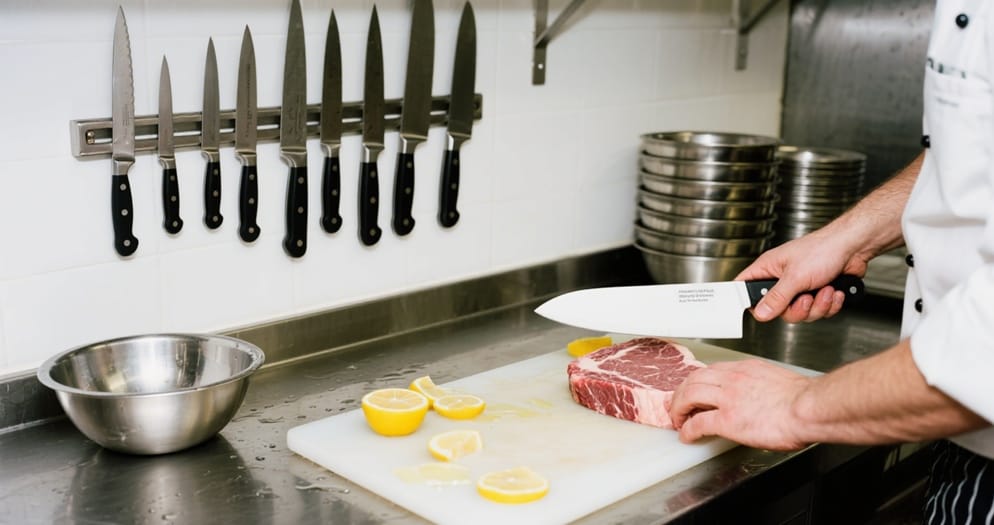
Nella cucina di un ristorante a tre stelle Michelin a Manhattan, New York, ingredienti e utensili interagiscono costantemente. Lo chef utilizza un 304 tagliere in acciaio inox per lavorare limoni e bistecche fresche. I succhi acidi e il grasso si muovono liberamente sul tagliere, eppure i suoi assistenti rimangono indifferenti alla corrosione. Durante la pausa pranzo, posizionano il tagliere in una lavastoviglie a 70°C. Dopo un ciclo di risciacquo di 30 minuti, il tagliere appare immacolato, la sua superficie ancora intatta. La pellicola di ossido appena visibile agisce come un'armatura invisibile, proteggendo l'essenza del metallo.
I rapporti dei test SGS indicano che 304 l'acciaio inox ha un tasso antibatterico di 99.9%, riducendo la crescita batterica del 87% rispetto ai tradizionali taglieri in legno. Questo è cruciale per un ristorante che serve oltre 200 ospiti ogni giorno, where food safety is a constant concern. The restaurant’s purchasing manager shared that since switching to this steel for all worktops and utensils in the kitchen, staff cleaning workload has been reduced by 40%, and the frequency of changing tableware has been cut in half. The worktop, exposed to intense 20-hour workdays, maintains a mirror-like sheen under the light, as if a testament to its loyal commitment to both food and health. Here, it transcends the realm of kitchenware, becoming a vital bridge connecting delicious food and peace of mind.