 Foshan Xinliheng Inoxydnus Steel Co., Ltd. (佛山市鑫利恒不锈钢有限公司)

Among the many stainless steel processing techniques, brushing is unique and highly sought after. It involves directing abrasives such as abrasive belts and wheels onto the stainless steel surface, creating textured brush marks or lines.
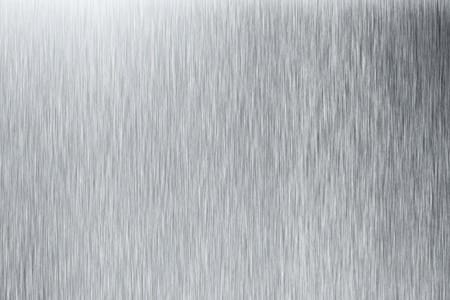
Stainless steel brushing can create a variety of effects. Commonly used are straight lines, which create an uninterrupted pattern from top to bottom. This process is typically accomplished by moving the workpiece back and forth using a stationary brushing machine. A snowflake pattern, composed of regularly spaced dots, is a popular effect currently achieved using sandpaper. Nylon lines, composed of lines of varying lengths, are achieved due to the soft texture of nylon wheels, which can abrade uneven surfaces. Compared to other stainless steel finishing techniques, brushing offers significant advantages. Par exemple, compared to polishing to create a mirror finish, brushing creates delicate, uniform lines, adding a modern, industrial aesthetic to stainless steel while avoiding the glare often associated with mirror finishes. This makes it particularly suitable for public spaces and outdoor applications. In terms of wear resistance, the subtle texture of a brushed surface effectively hides scratches and fingerprints, maintaining its appearance even in environments with high contact or friction. Smooth polished surfaces are more susceptible to scratches and stains. Regarding sandblasting, while both processes can alter the surface texture of stainless steel, the result is a relatively rough surface, while brushing creates a finer, more regular texture, offrant un effet plus décoratif.
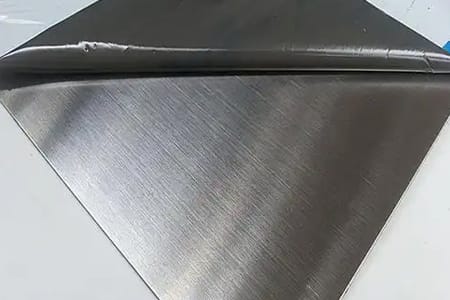
L'acier inoxydable brossé a une large gamme d'applications. Dans l'industrie du bâtiment, l'acier inoxydable brossé est souvent utilisé pour les panneaux de portes d'ascenseurs, les rampes de métro, et les finitions d'escalators, offrant à la fois esthétique et durabilité. Dans l'industrie des quincailleries de bâtiment, le brossage améliore la texture du produit et augmente sa prise en main. Dans la cuisine, l'acier inoxydable brossé est utilisé sur les hottes de cuisine, les cuisinières, et les éviers, facilitant leur nettoyage et conservant leur beauté au fil du temps. Avec son apparence unique, sa résistance exceptionnelle à l'usure, sa sensation agréable, et sa grande applicabilité, l'acier inoxydable brossé se distingue parmi les autres procédés d'acier inoxydable, donnant aux produits en acier inoxydable plus de valeur et d'attrait.
Actuellement, Qingkong se spécialise dans 300 aciers inoxydables de la série: 304, 304L, 316L, 321, 309S, 310S, et 316Ti; 200 aciers inoxydables de la série: J1, J2, J3, J4, et 201; 400 aciers inoxydables de la série: 409L, 430, 410S, 439, et QES18 (pour les appareils électroménagers et les ascenseurs); acier inoxydable duplex: 2205, 2507, 2304, and S32001; and QN series stainless steel: QN1701, QN1801, QN1803, QN1804, QN1906, QN2109, QN2008, and QS380-MY (for the door industry). We offer stainless steel coils, plates, strips, and laser-cut parts, meeting your needs for flattening, slitting, frosting, mirroring, découpe, oil-brushing, sheet metal, and stamping.
The above is the content of this issue. If there are any shortcomings, please contact us.
