 Foshan Xinliheng Inoxydnus Steel Co., Ltd. (佛山市鑫利恒不锈钢有限公司)

Comment un hôtel peut-il être SI élégant? — Le moment révélateur d’un nouvel exportateur
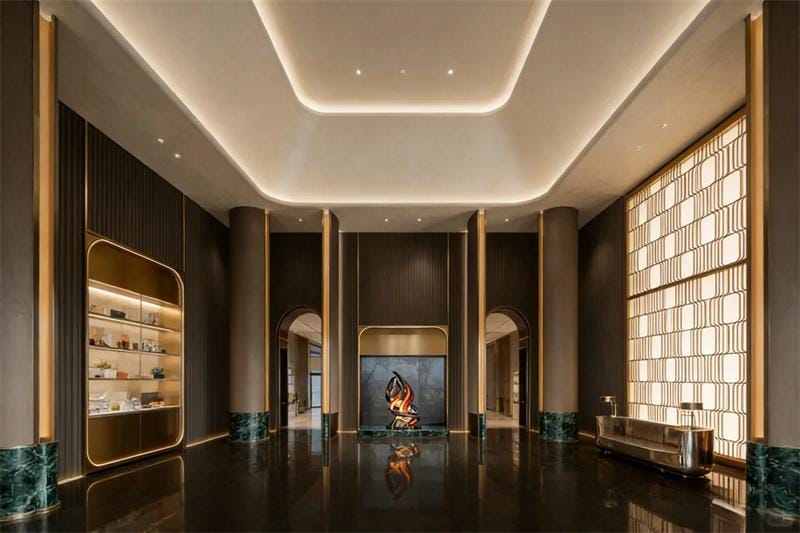
Avant que je ne me lance dans le commerce extérieur, mon idée d'un 'hôtel de luxe' venait directement des séries télévisées: des sols en marbre brillant, d'immenses lustres, et de l'or partout. Vous voyez l'ambiance.
Mais la semaine dernière, tout a changé.
J'étais à Shanghai pour un salon du design quand un ami m'a traîné pour visiter quelques hôtels-boutiques récemment ouverts. Dès que j'ai mis les pieds à l'intérieur de l'un d'eux, je me suis littéralement arrêté net — pas parce que c'était clinquant, mais parce que ça semblait… vivant. Calme, riche, plein de caractère, comme s'il avait une histoire à raconter.
Et ce qui a attiré mon regard? Ce sont les murs.
Pas de la peinture ordinaire ou des carreaux ennuyeux — mais ceux-là beaux, à l'apparence vieillie en panneaux métalliques de tons cuivre profond et bronze antique. Ils avaient un léger marbrage, une texture subtile, presque comme de vieilles portes en laiton que l'on voit sur des bâtiments historiques en Europe. Mais d'une certaine manière, they looked clean, moderne, and totally maintenance-free.
My friend whispered, “That’s an antique patina finish—super popular with high-end hotels and bars right now.”
I couldn’t stop taking photos (almost got side-eyed by security 😅).
Back at the office, I did some digging—and nearly fell off my chair.
It’s stainless steel.
Yep. What looks like centuries-old copper is actually 304 ou 316 acier inoxydable, coated with a special PVD finish that mimics natural aging. No rust. No tarnishing. No daily polishing. Just stunning, timeless beauty that actually lasts—even in humid bathrooms or seaside locations.
That’s when it hit me:
Real style isn’t about bling. It’s about choosing materials that carry emotion—and stand the test of time.
As a total newbie in export, I used to think selling building materials was all about thickness, prix, and MOQs. But now I get it: clients aren’t buying a sheet of metal. They’re buying a way to bring their vision to life.
Take that hotel designer—he doesn’t care about coating thickness. He cares whether the panel will still look dreamy three years from now… whether it works near the ocean… whether it gives that soft, cloudy, “lived-in-but-luxurious” feel under warm lighting.
So now, instead of leading with “Our factory is big!” or “Cheapest price!», I try asking:
“What mood are you creating? Vintage industrial? Quiet luxury? We’ve got finishes that match your mood board.”
I’m still learning. Still making rookie mistakes.
But at least now, Je ne fais pas que citer des spécifications—j’aide à raconter une histoire.
Oh, et voici cette photo que j’ai prise (j’ai flouté le logo, ne t’inquiète pas!) 👇
Regarde comment la lumière frappe ce mur—chaleureuse, ambiance, texturée…
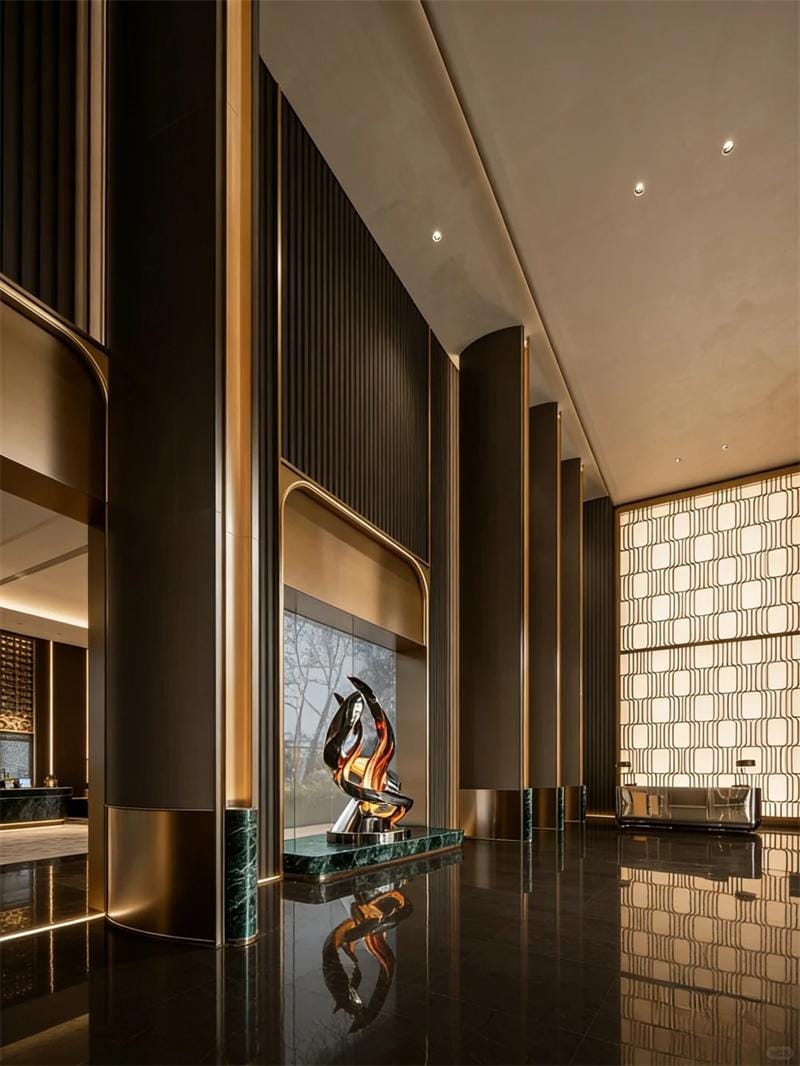
Ça ne crie pas. Ça se contente de être. Et d’une certaine façon, ça rend toute la pièce volontaire, pleine d’âme, chère.
Honnêtement? Qui ne voudrait pas ça dans son projet?
— Un débutant aux yeux écarquillés dans le monde des métaux décoratifs 💛
