 Foshan Xinliheng Centolera de acero Co., Ltd.(佛山市鑫利恒不锈钢有限公司)

A medida que los paradigmas de diseño global evolucionan, la estética tradicional oriental está haciendo un poderoso regreso—no a través de una réplica literal, sino a través de una reinterpretación refinada, contemporánea. En esta transformación, materiales que antes se consideraban puramente industriales—como acero inoxidable—están surgiendo como medios vitales para la expresión cultural y la poesía espacial. Este artículo explora cómo acero inoxidable redefine la materialidad en un espacio multifuncional que combina recepción, eventos culturales, y uso de oficina, creando un diálogo profundo entre la naturaleza, la tradición, y la modernidad.
1. Innovación en Materiales: De la madera tradicional al metal moderno
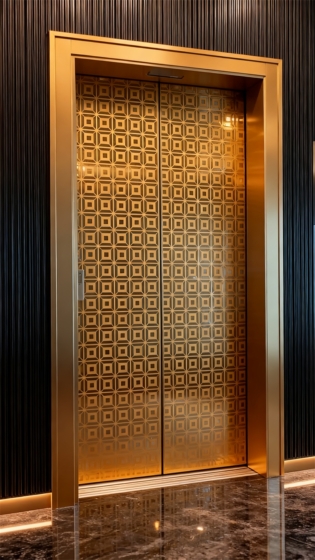
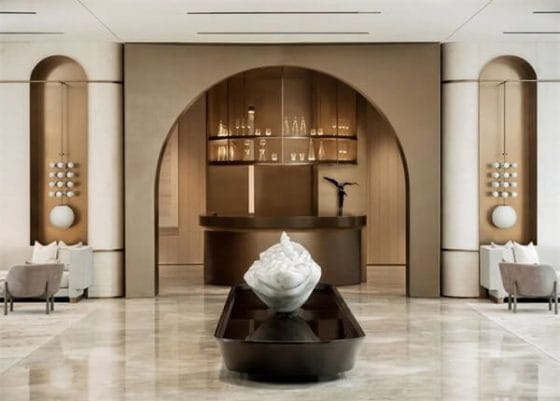
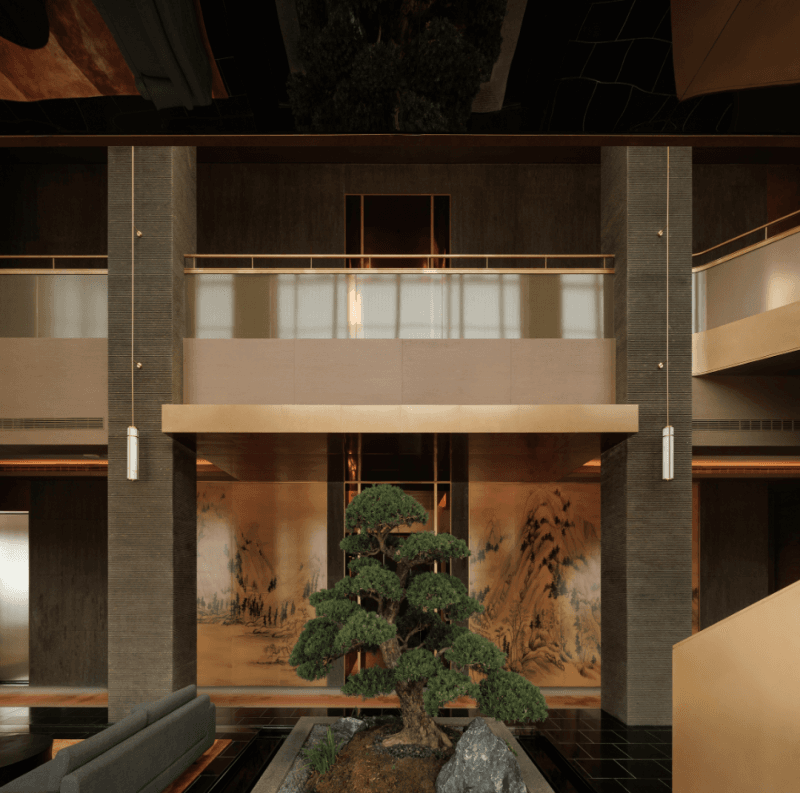
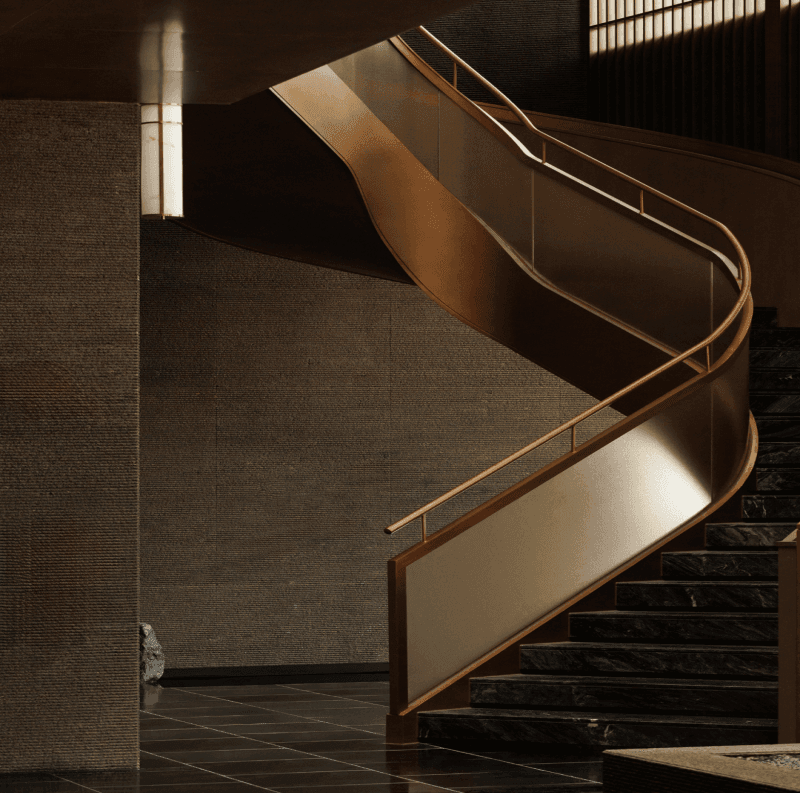
Rompiendo con el lenguaje arquitectónico chino convencional—como las estructuras de madera antiguas—el diseño adopta una paleta de materiales moderna: chapado de nogal, vidrio artístico, acero inoxidable con efecto bronce, piedra volcánica italiana, ladrillos Jin, y alfombras a medida. Entre estos, bronze-finish stainless steel plays a pivotal role. It carries the warmth and elegance of traditional bronze while offering the durability, precision, and sleekness of contemporary metalwork—effectively translating heritage aesthetics into a modern design vocabulary.
2. Spatial Narrative: Crafting a “Mirror Journey” with Stainless Steel
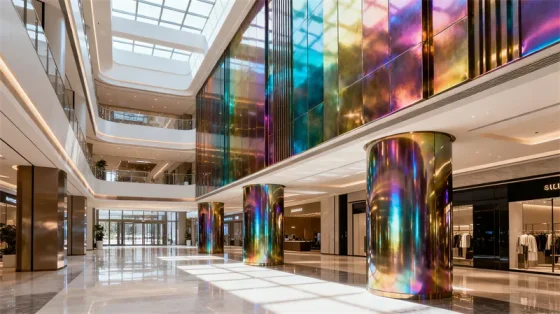
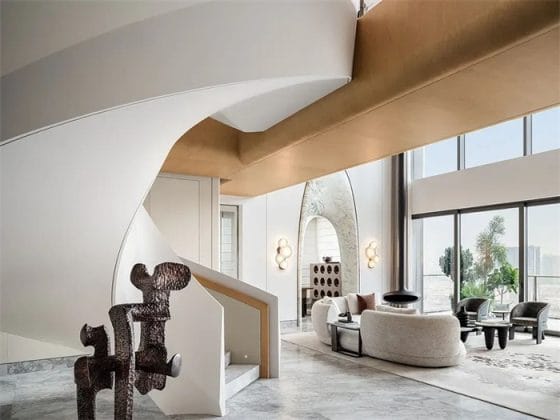
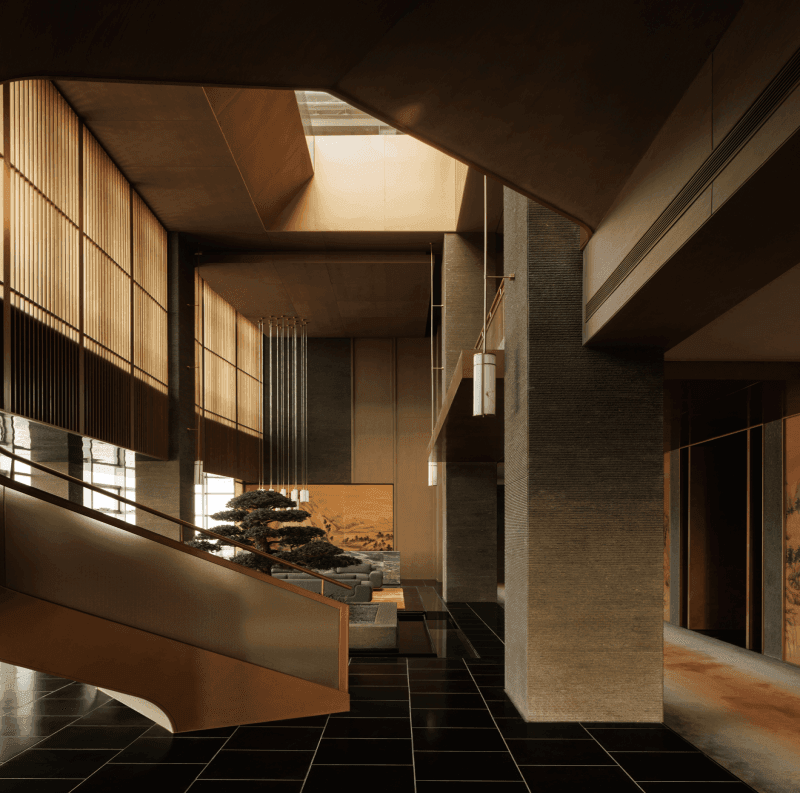
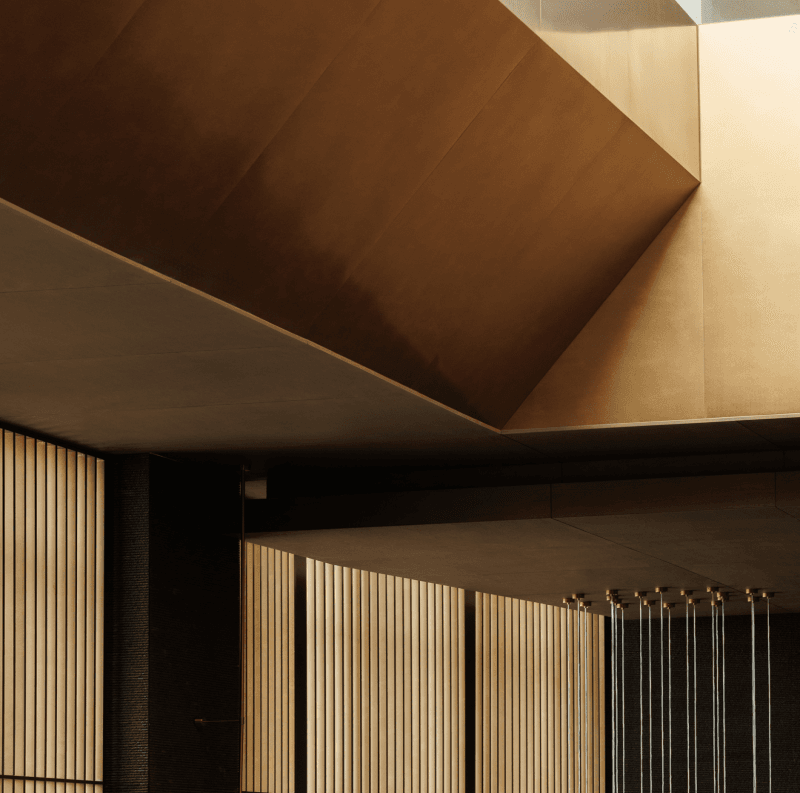
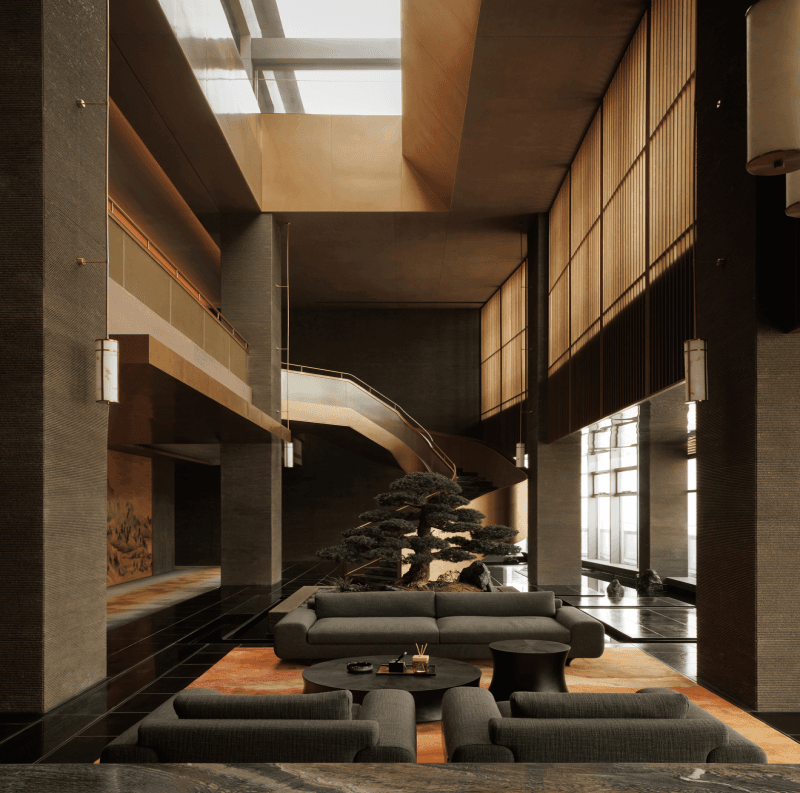
At the heart of the atrium, mirror-finish stainless steel ceilings reflect the floor and surrounding forms, creating an ethereal sense of infinite depth. This “mirror journey” effect amplifies the 11-meter-high, naturally lit central space, blurring the boundaries between real and reflected, solid and void. Inspired by classical Chinese garden principles from Yuanye (The Craft of Gardens), the design captures the ever-changing play of light and shadow, turning the space into a dynamic scroll painting.
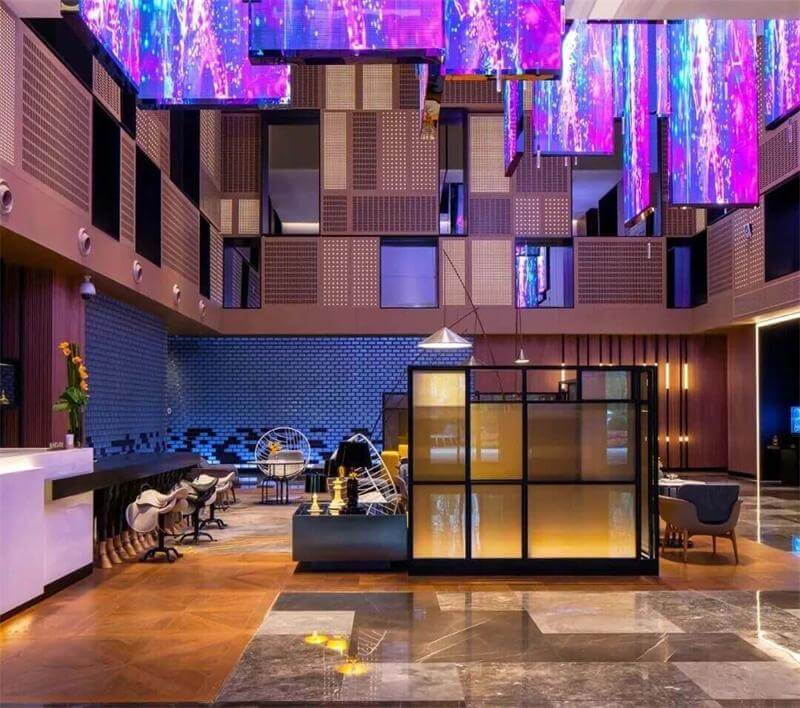
In the entrance lobby, a holographic water curtain installation simulates flowing clouds cascading from above, mirrored on polished stone flooring below. El stainless steel framework remains discreetly embedded, supporting the fusion of technology and artistry—demonstrating how metal can be both structurally essential and aesthetically invisible.
3. Cultural Metaphor: El “Softness” of Stainless Steel
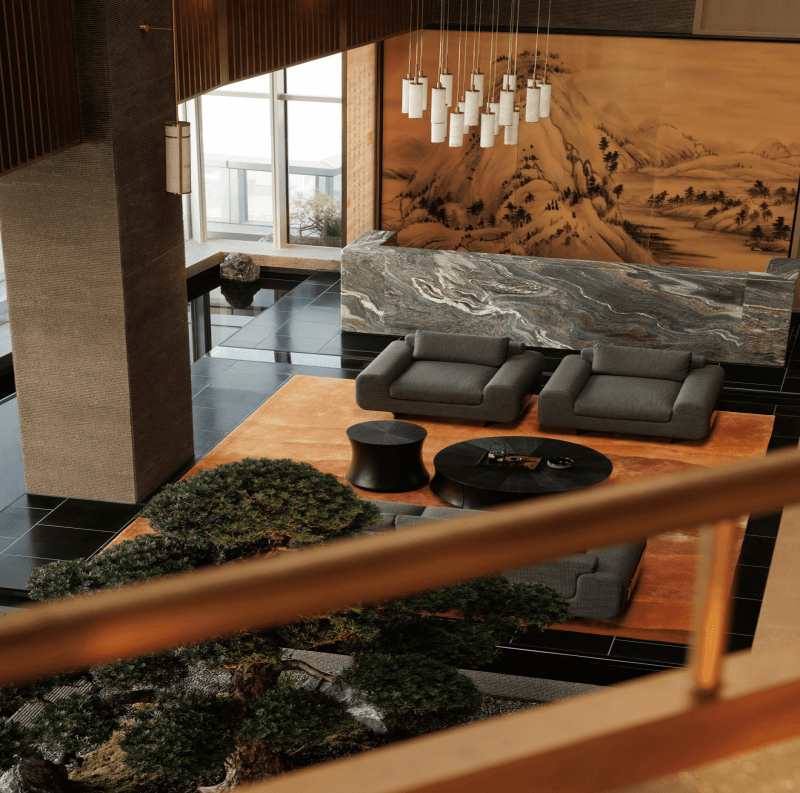
Often perceived as cold and rigid, stainless steel is reimagined here with remarkable softness and sensitivity. Through advanced surface treatments, brushed bronze-effect stainless steel panels are meticulously assembled to mimic the delicate “split-hemp” brushstrokes (pima cun) of Northern Song dynasty landscape paintings. Paired with Italian volcanic stone walls, they evoke the gentle textures of Jiangnan hills, transforming metal into a canvas for classical brushwork.
As daylight shifts, the wall surfaces exhibit a “five shades of ink” effect—a poetic reference to traditional ink painting—imbuing the metal with a sense of breath and rhythm. In the reception area, stainless steel-edged Jin brick platforms rise like islets in a stream, referencing the meandering rivers in Huang Gongwang’s Dwelling in the Fuchun Mountains. Aquí, stainless steel is not just a functional edge protector, but a narrative thread connecting cultural symbolism with spatial function.
4. Customization & Collaboration: Elevating Design Sophistication
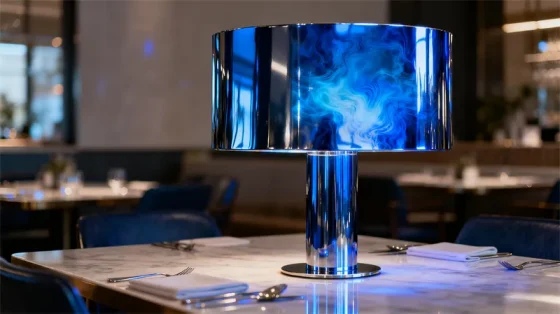
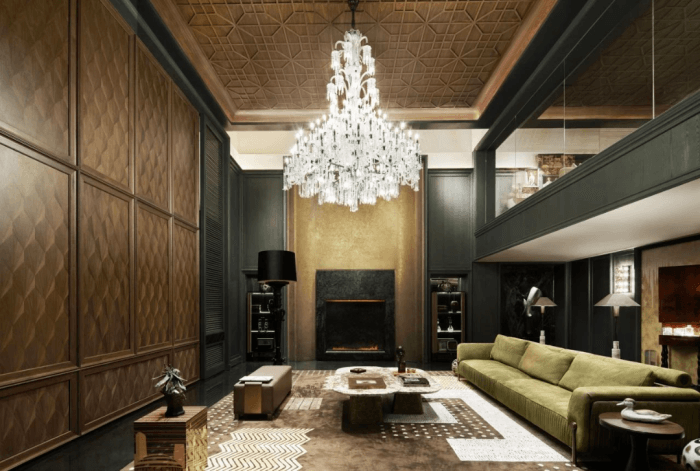
Luxury Italian brand FENDI Casa provided custom furniture, harmonizing with the material palette of stainless steel and art glass. Stainless steel details—such as door handles, partition frames, and furniture trims—are finished in mate, cepillado, and mirrored textures, asegurando una integración perfecta con muebles de alta gama y reforzando la estética refinada del espacio.
5. Conclusión: Metal con alma, Diseño con sensibilidad
En el diseño oriental contemporáneo, el acero inoxidable trasciende sus raíces industriales para convertirse en un recipiente de memoria cultural y emoción espacial. A través de la innovación en materiales, artesanía, e intención poética, incluso el metal más frío puede reflejar calidez, evocar la naturaleza, y crear un santuario de belleza contemplativa.
A medida que avanzan la ciencia de materiales y el pensamiento de diseño, el acero inoxidable continuará desbloqueando nuevas posibilidades en espacios culturales, comerciales, y residenciales—demostrando que el futuro del patrimonio no reside en la replicación, sino en la reinvención.