 Foshan Xinliheng Edelstahl Co., Ltd.(佛山市鑫利恒不锈钢有限公司)

Während sich globale Designparadigmen weiterentwickeln, feiern traditionelle östliche Ästhetik ein kraftvolles Comeback – nicht durch wörtliche Replikation, sondern durch eine verfeinerte, zeitgenössische Neuinterpretation. In dieser Transformation, entstehen Materialien, die einst als rein industriell galten – ähnlich Edelstahl—zu wichtigen Medien für kulturellen Ausdruck und räumliche Poesie. Dieser Artikel untersucht, wie Edelstahl Materialität in einem multifunktionalen Raum, der Rezeption verbindet, kulturelle Ereignisse, und Büronutzung, Schaffen eines tiefen Dialogs zwischen Natur, Tradition, und Moderne.
1. Materialinnovation: Vom traditionellen Holz zum modernen Metall
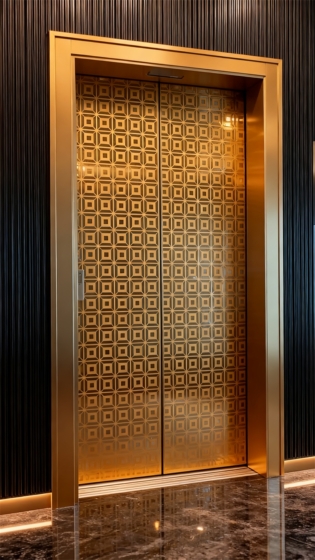
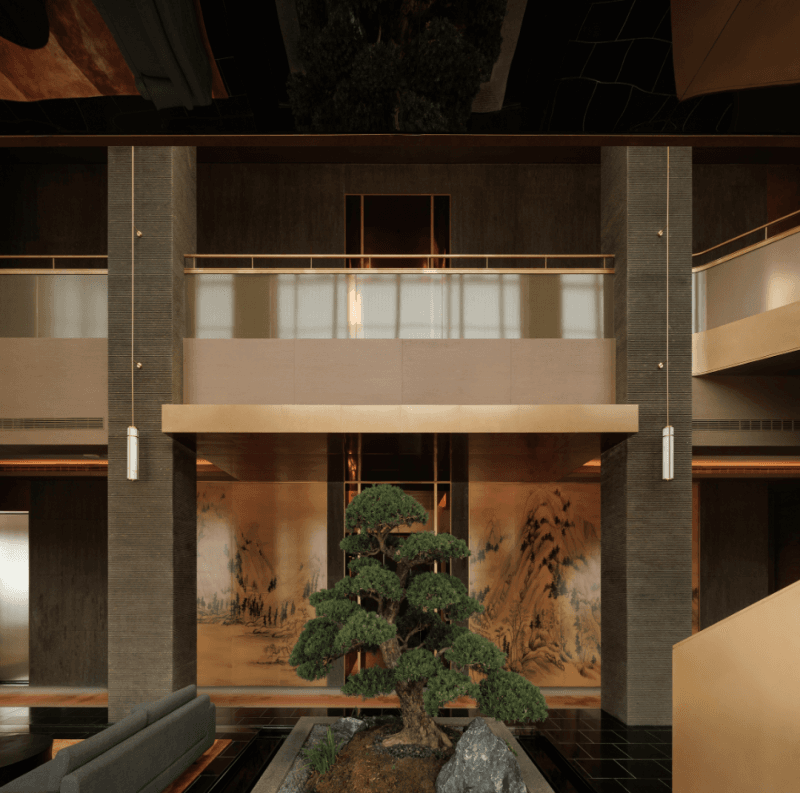
Es löst sich von der konventionellen chinesischen Architektursprache – wie antiken Holzstrukturen – und nimmt eine moderne Materialpalette auf: Walnussfurnier, Kunstglas, Edelstahl mit Bronzeeffekt, italienischer Vulkanstein, Jin-Ziegel, und maßgefertigte Teppiche. Unter diesen, bronze-finish stainless steel plays a pivotal role. It carries the warmth and elegance of traditional bronze while offering the durability, Präzision, and sleekness of contemporary metalwork—effectively translating heritage aesthetics into a modern design vocabulary.
2. Spatial Narrative: Crafting a “Mirror Journey” with Stainless Steel
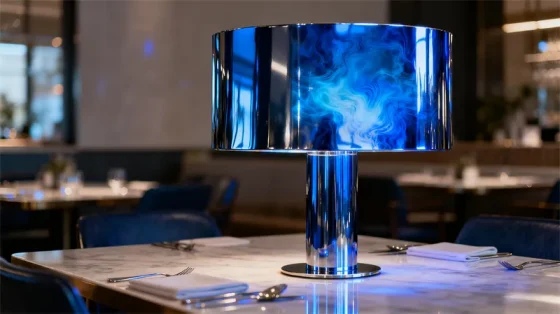
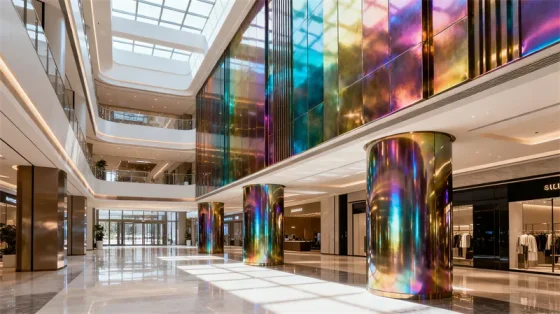
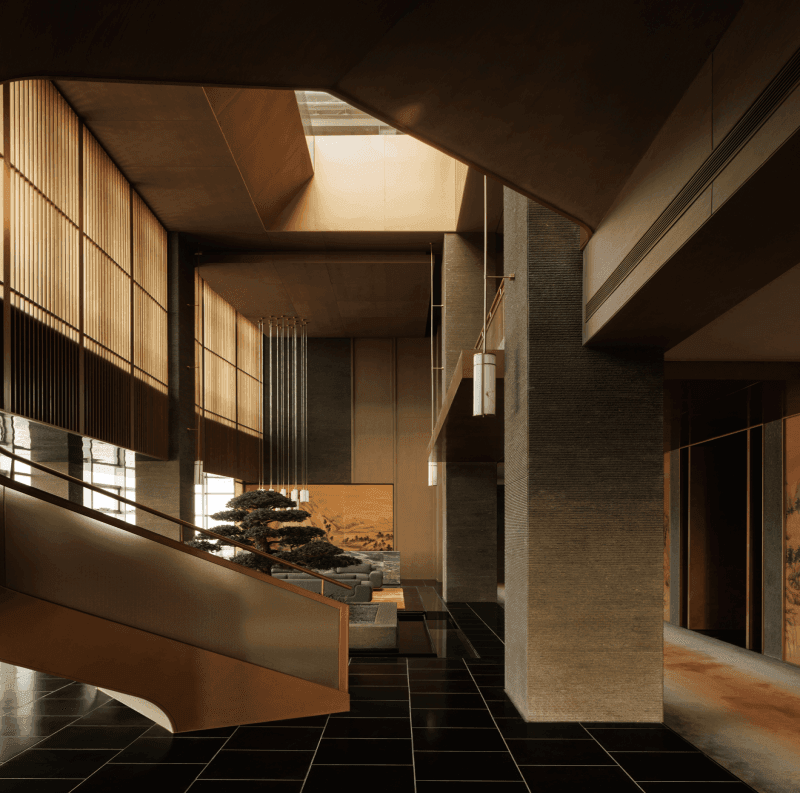
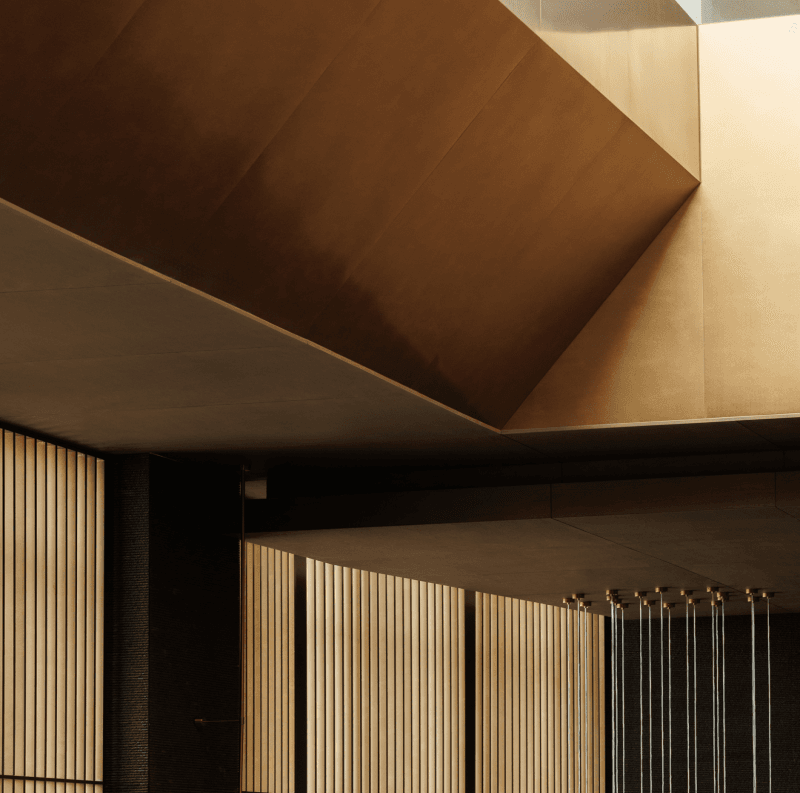
At the heart of the atrium, mirror-finish stainless steel ceilings reflect the floor and surrounding forms, creating an ethereal sense of infinite depth. This “mirror journey” effect amplifies the 11-meter-high, naturally lit central space, blurring the boundaries between real and reflected, solid and void. Inspired by classical Chinese garden principles from Yuanye (The Craft of Gardens), the design captures the ever-changing play of light and shadow, turning the space into a dynamic scroll painting.
In the entrance lobby, a holographic water curtain installation simulates flowing clouds cascading from above, mirrored on polished stone flooring below. Der stainless steel framework remains discreetly embedded, supporting the fusion of technology and artistry—demonstrating how metal can be both structurally essential and aesthetically invisible.
3. Cultural Metaphor: Der “Softness” of Stainless Steel
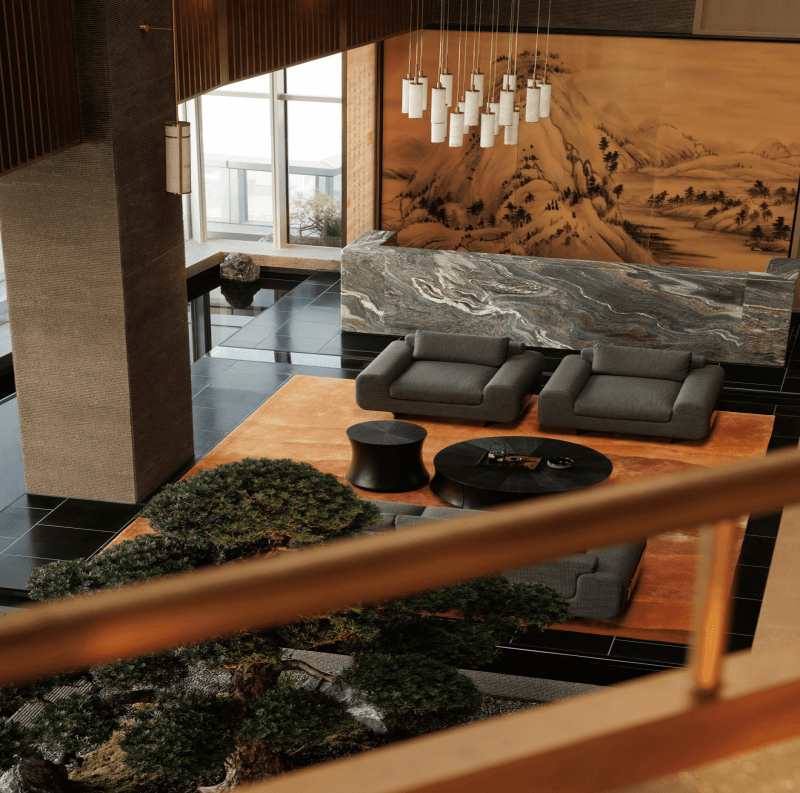
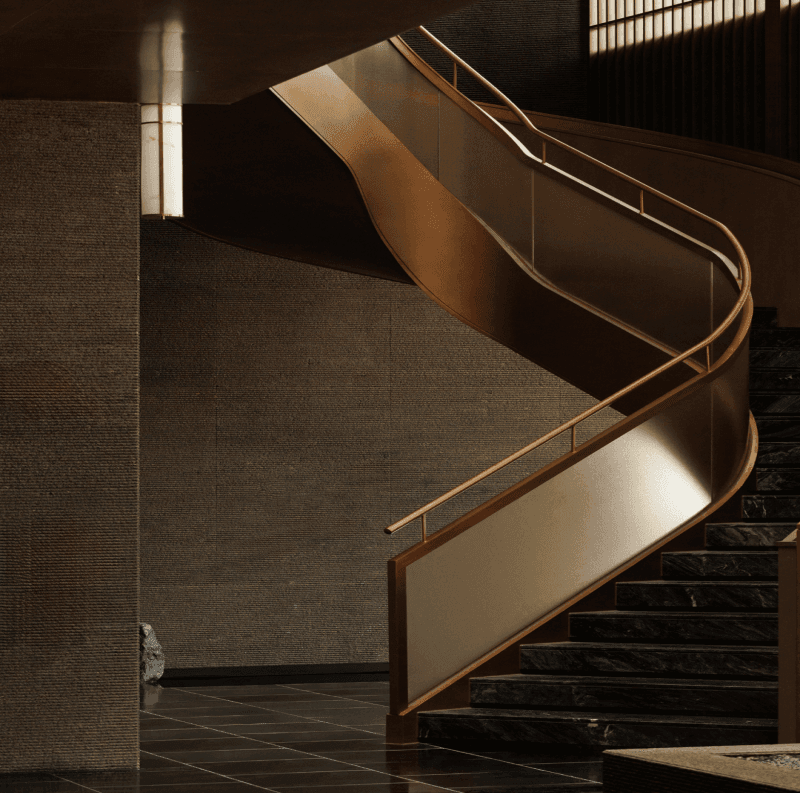
Often perceived as cold and rigid, stainless steel is reimagined here with remarkable softness and sensitivity. Through advanced surface treatments, brushed bronze-effect stainless steel panels are meticulously assembled to mimic the delicate “split-hemp” brushstrokes (pima cun) of Northern Song dynasty landscape paintings. Paired with Italian volcanic stone walls, they evoke the gentle textures of Jiangnan hills, transforming metal into a canvas for classical brushwork.
As daylight shifts, the wall surfaces exhibit a “five shades of ink” effect—a poetic reference to traditional ink painting—imbuing the metal with a sense of breath and rhythm. In the reception area, stainless steel-edged Jin brick platforms rise like islets in a stream, referencing the meandering rivers in Huang Gongwang’s Dwelling in the Fuchun Mountains. Hier, stainless steel is not just a functional edge protector, but a narrative thread connecting cultural symbolism with spatial function.
4. Customization & Collaboration: Elevating Design Sophistication
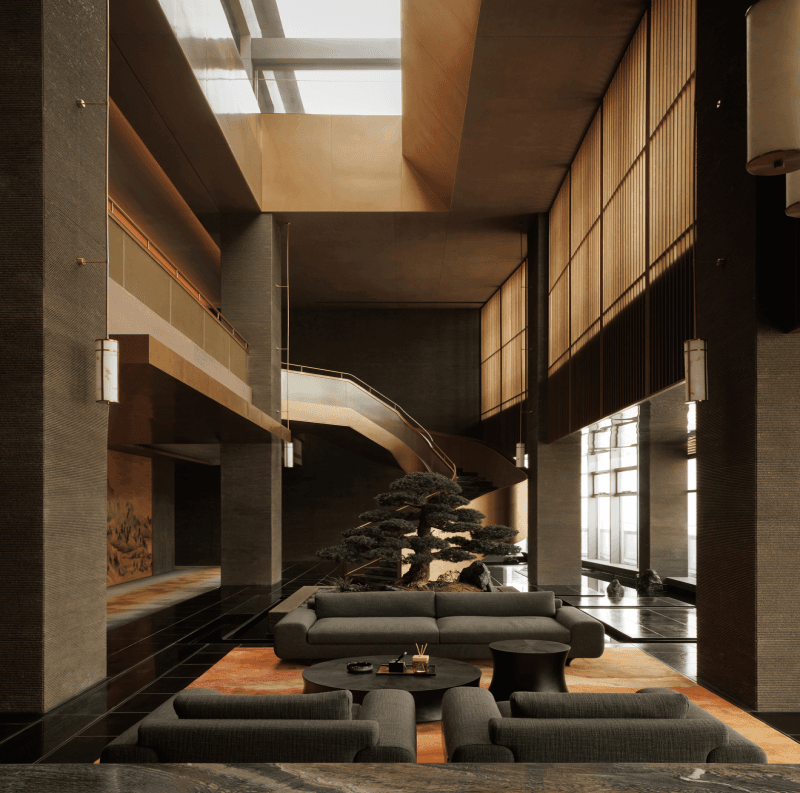
Luxury Italian brand FENDI Casa provided custom furniture, harmonizing with the material palette of stainless steel and art glass. Stainless steel details—such as door handles, partition frames, and furniture trims—are finished in matt, gebürstet, and mirrored textures, nahtlose Integration mit hochwertigen Einrichtungsgegenständen sicherstellen und die verfeinerte Ästhetik des Raumes unterstreichen.
5. Fazit: Metall mit Seele, Design mit Sensibilität
Im zeitgenössischen orientalischen Design, Edelstahl überwindet seine industriellen Wurzeln und wird zu einem Gefäß für kulturelles Gedächtnis und räumliche Emotion. Durch Materialinnovation, Handwerkskunst, und poetische Intention, kann selbst das kälteste Metall Wärme ausstrahlen, Natur heraufbeschwören, und ein Refugium kontemplativer Schönheit schaffen.
Mit dem Fortschritt der Materialwissenschaft und des Designdenkens, wird Edelstahl weiterhin neue Möglichkeiten in kulturellen, kommerziellen, und privaten Räumen eröffnen – und beweisen, dass die Zukunft des Erbes nicht in der Nachahmung liegt, sondern in der Neuerfindung.